

Avoiding DIY Mistakes: When Garage Door Repair Should Be Left to the Pros
When something goes wrong with a garage door, the temptation to handle the fix independently is understandable — especially for homeowners who are comfortable with tools and accustomed to tackling household projects on their own. A garage door system looks straightforward from the outside, but it is one of the most mechanically complex and physically dangerous systems in any home, combining heavy moving parts, high-tension components, and electrical systems that require specialized knowledge to service safely and correctly. DIY attempts that go wrong do not just fail to solve the original problem — they frequently create new ones that are more expensive and more dangerous to resolve than the issue the homeowner was trying to fix in the first place. Understanding which repairs fall outside the safe scope of DIY work helps every homeowner make smarter decisions about when to pick up the phone and call a professional before the situation escalates.
Why Springs Should Never Be a DIY Project
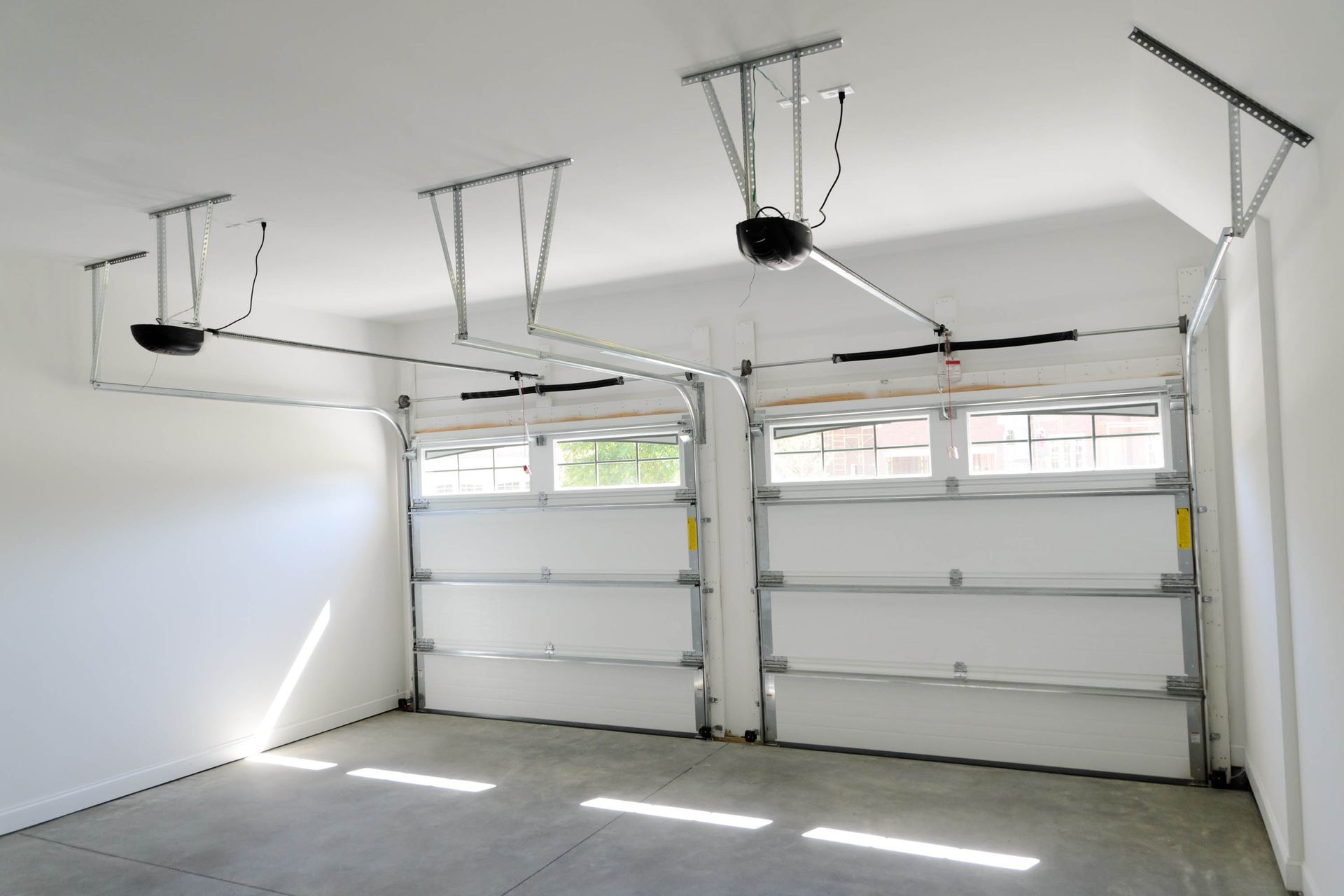
Garage door spring repair is consistently cited by professionals as the single most dangerous DIY mistake a homeowner can make, because the torsion and extension springs that counterbalance the door's weight store an enormous amount of mechanical energy that releases with explosive force if handled incorrectly. According to This Old House, garage door openers can last 10 years, but springs typically wear out before the opener does — meaning broken spring replacement is one of the most common service calls professionals receive and one of the repairs that homeowners most often attempt to handle without realizing the full extent of the risk involved. Garage door repair for broken springs requires specialized winding bars, precise knowledge of spring tension calculations, and the hands-on experience to manage the full mechanical force of the system safely throughout every step of the replacement process without putting the technician or the structure at risk.
Recognizing When Track and Alignment Problems Require Professional Attention
A door that shakes, sticks, or refuses to travel smoothly along its tracks may appear to be a simple adjustment problem, but the underlying cause is often a track that has been bent, shifted, or improperly aligned in a way that creates compounding wear on every component connected to it throughout each operating cycle. Attempting repair on misaligned tracks without understanding the geometry of the entire system often results in the homeowner bending the track further, damaging the rollers, or creating an imbalance that puts additional stress on the opener motor and accelerates the failure of adjacent components that were previously functioning within normal parameters. A professional technician evaluates the entire track system, identifies the root cause of the alignment issue, and corrects it, addressing the source of the problem rather than simply pushing the symptom from one part of the system to another.
Understanding the Risks of DIY Cable Replacement
Lift cables work in conjunction with the spring system to control the movement of the door, and a frayed, snapped, or improperly tensioned cable is a safety hazard that can cause the door to drop suddenly and without warning if the system is operated before the cable issue is properly resolved by someone with the right tools and training. Garage door repair involving cables requires the same tension management expertise as spring repair because the cable system is under significant load whenever the door is in the open position, and any mistake in the replacement process can result in the door falling from a height that causes serious property damage or physical injury to anyone standing below it at the time of failure. Homeowners who notice fraying, rust, or visible damage on their door's lift cables should stop using the door immediately and contact a professional rather than attempting to inspect or replace the cables while the system remains under tension.
Avoiding Opener Wiring and Electrical Mistakes
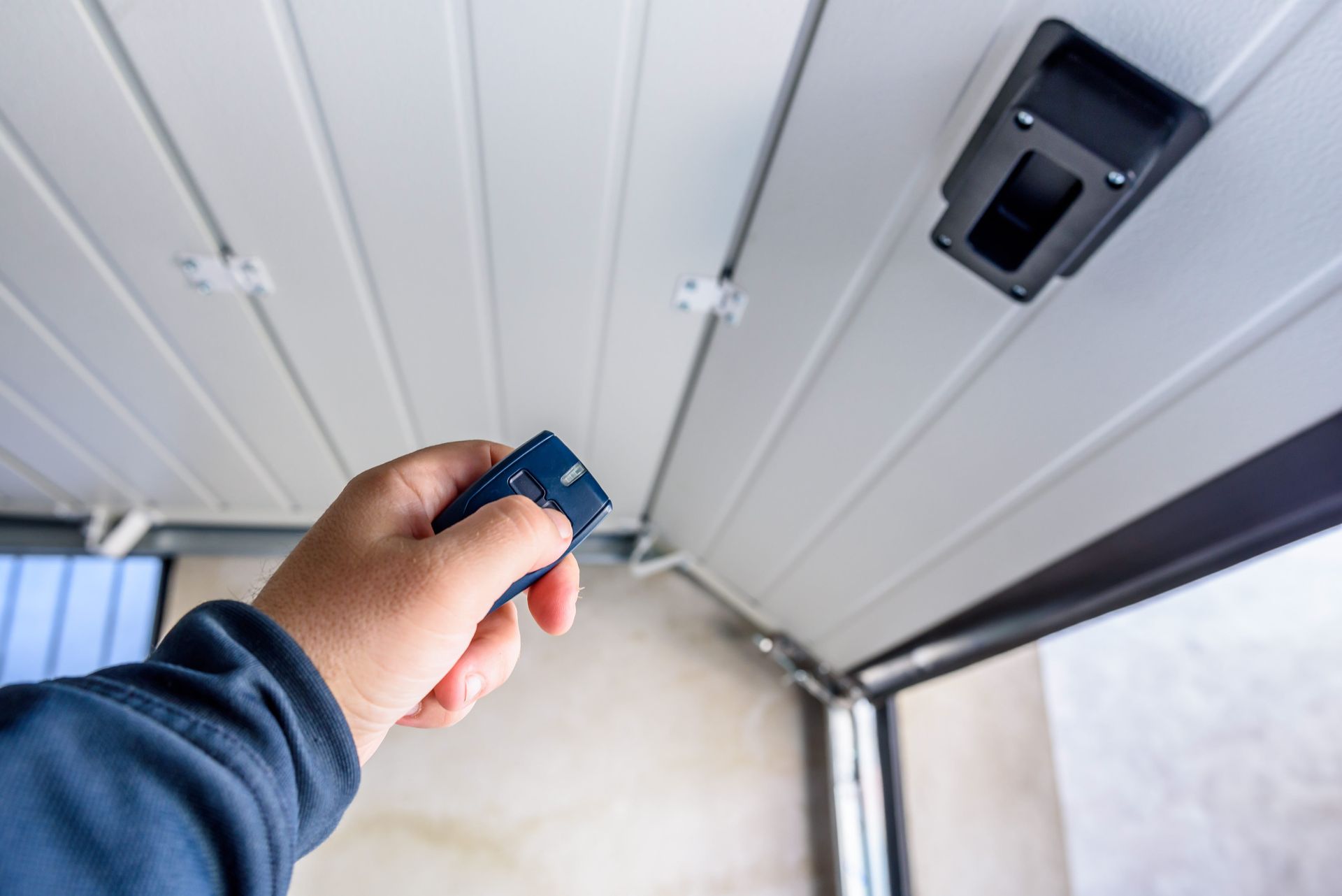
Modern garage door openers are more electronically sophisticated than the systems of previous decades, incorporating safety sensors, rolling code technology, Wi-Fi connectivity, and battery backup systems that require a thorough understanding of both the electrical components and the manufacturer's specific programming requirements to service or replace correctly. Garage door repair involving opener wiring, sensor alignment, or control board replacement is an area where incorrect connections, reversed wiring polarity, or improper sensor positioning can result in a door that operates erratically, bypasses safety reversals, or fails to detect obstructions — creating safety risks for vehicles, pets, and people using the door daily. Background-checked professional technicians who are trained on specific opener brands and models can diagnose electrical and programming issues accurately using the appropriate tools, ensuring the system operates exactly as the manufacturer designed it to perform rather than relying on approximations that leave critical safety functions unreliable.
Knowing When Panel Damage Calls for More Than a Surface Fix
A dented or damaged panel may seem like the kind of cosmetic issue that a homeowner can address with a rubber mallet and a bit of patience, but garage door panels are structural components that contribute to the overall rigidity and integrity of the door, and damage that distorts the panel's geometry can affect how the entire door moves through its track during every subsequent operation. Garage door repair for panel damage requires an assessment of whether the individual panel can be replaced in isolation or whether the damage has affected the surrounding frame, the hinge connections, or the track alignment in ways that make a single-panel swap insufficient to fully restore the door's proper function and structural soundness. A professional evaluation ensures that all damage — visible and structural — is identified and addressed before a replacement panel is installed, which prevents the situation where a cosmetic repair is completed but the door continues to malfunction because the underlying structural issue was never corrected during the initial visit.
Recognizing the Limits of DIY Roller and Hinge Replacement
Worn rollers and loose or damaged hinges are among the more accessible components on a garage door system, and some homeowners successfully replace these parts on their own when the door is in the fully closed position, and proper precautions are taken to prevent accidental operation during the work. However, garage door repair involving the bottom roller brackets — the brackets that anchor the bottom of the door to the lift cable system — is an entirely different situation that carries the same spring and cable tension risks as a full spring replacement and should always be handled by a professional who understands how to safely relieve system tension before any work begins on those specific components. The distinction between which components are reasonably accessible to an informed homeowner and which ones require professional handling is not always obvious from the outside, which is why having a professional evaluate the full system before any DIY work begins is always the safer and more cost-effective approach to diagnosing any door problem.
The clearest lesson that emerges from reviewing the most common DIY garage door mistakes is that the complexity and physical danger of this system consistently exceed what most homeowners anticipate before they begin, and that the cost of a professional service call is almost always lower than the cost of correcting a repair that was attempted incorrectly without the right tools, training, or safety awareness. From broken spring replacement and cable service to commercial door maintenance and after-hours emergency response, professional garage door repair protects both the people and the property that depend on the system performing reliably every single day. Fox Valley Overhead Door Company Inc. has proudly served homeowners and businesses throughout Appleton, Oshkosh, Green Bay, De Pere, and Neenah, WI since 1973, offering residential and commercial garage door repair, broken spring repair, rolling steel doors, garage door openers, gate operators, and complete installation services, all backed by over 50 years of experience, background-checked technicians, free in-home quotes within one to three days, competitive pricing, a one-year workmanship installation warranty, and after-hours assistance for emergencies. For more information, contact us today!

Share On: