

Seasonal Maintenance Guide: When to Call a Garage Door Contractor for Winter-Proofing
The significance of winter-proofing your garage door cannot be overstated. As temperatures drop, ensuring that your garage door is ready to endure the cold season is crucial for functionality, energy efficiency, and safety. This guide delves into key maintenance tasks and identifies when it's time to call in a professional garage door contractor.
1. Understanding the Impact of Winter on Garage Doors
1.1 The Effects of Cold Temperature on Mechanisms
Cold temperatures can have a significant impact on the mechanical components of your garage door. As temperatures drop, metal parts can contract, which may result in misalignment. This contraction can strain the door’s opening and closing mechanisms, leading to decreased efficiency. Cold weather can also affect the doors’ sensors and remotes, resulting in delayed responses or failures. Regular checks and maintenance can help mitigate these issues before they result in more significant damage.
1.2 How Moisture and Ice Affect Functionality
Moisture and ice are other significant winter hazards for garage doors. When water seeps into the mechanisms or seals, it can freeze, causing components to stick or become immovable. This can be particularly problematic overnight when temperatures are their lowest. Ice build-up can add extra weight to the garage door, increasing wear and tear and potentially damaging the motor. Ensuring proper drainage and keeping the area around your door clear of snow can help prevent ice build-up.
1.3 Increased Wear and Tear due to Seasonal Changes
The winter season can accelerate wear and tear on garage doors, primarily through increased usage and the additional strain placed by cold temperatures. Elements such as metal parts, springs, and hinges are susceptible to faster degradation during cold weather. Seasonal changes often mean doors are used more to keep interiors warm, increasing their operational stress. Regular inspections are crucial to identifying early signs of wear that could lead to larger issues if left unaddressed. A proactive approach to maintenance can save costs and enhance door longevity.
2. Inspecting and Maintaining Seals and Insulation
2.1 Checking the Condition of Weatherstripping
Weatherstripping plays a vital role in maintaining the energy efficiency of your garage and preventing drafts. Over time, these strips can wear down, crack, or go missing, resulting in increased energy loss and higher heating bills. During winter, it's imperative to inspect weatherstripping for any signs of deterioration or damage. Simple touch tests can help identify compromised areas where cold air might seep through. Replacements or repairs should be done promptly to ensure optimal performance.
2.2 Importance of Proper Insulation for Energy Efficiency
Insulating your garage door is critical for maintaining energy efficiency during the winter. Proper insulation helps to keep the cold out and the heat in, providing a comfortable environment while reducing energy costs. This is especially important for garages attached to homes, as they can be a significant source of heat loss. Well-insulated doors also provide better noise reduction and improve the overall comfort of adjacent living spaces. Considering insulation solutions, such as foam boards or reflective strips, can lead to noticeable savings on heating bills.
2.3 Signs It's Time to Replace Seals
Identifying the right time to replace your garage door seals is crucial for maintaining its functional integrity. Look for obvious signs of wear, such as cracks, brittleness, or complete sections tearing away from their fixtures. Unusual drafts or light seeping around the edges of the doors can also indicate failing seals. Replacing worn seals is a relatively simple task that can prevent more significant issues, such as water ingress and heat loss. Regular checks ensure that these components remain in good condition through the cold months.
3. Evaluating and Maintaining Your Garage Door's Hardware
3.1 Lubricating Moving Parts to Prevent Freeze-Up
Lubricating the moving parts of your garage door is an essential step in preventing freeze-ups during winter. Components such as rollers, hinges, and tracks are exposed to the elements and can become stiff or noisy without regular maintenance. Using a high-quality lubricant designed for cold temperatures can help keep these parts operating smoothly. It’s important to apply lubricant judiciously to avoid attracting dirt and debris, which can cause additional friction. Regularly lubricating these components will extend their lifespan and ensure smooth operation.
3.2 Tightening and Adjusting Components for Optimal Performance
Loose components in your garage door can lead to malfunctions or even safety issues. Checking and tightening bolts, nuts, and screws is a vital part of routine maintenance to ensure stability and performance. As the door operates, vibrations can cause these components to loosen over time, leading to increased wear or accidents. Adjustments might also be necessary to align the door properly, especially if it becomes off-balance. Regularly checking and maintaining this aspect of your door can prevent costly repairs and ensure safe operations.
3.3 Checking Cables, Springs, and Hinges for Wear
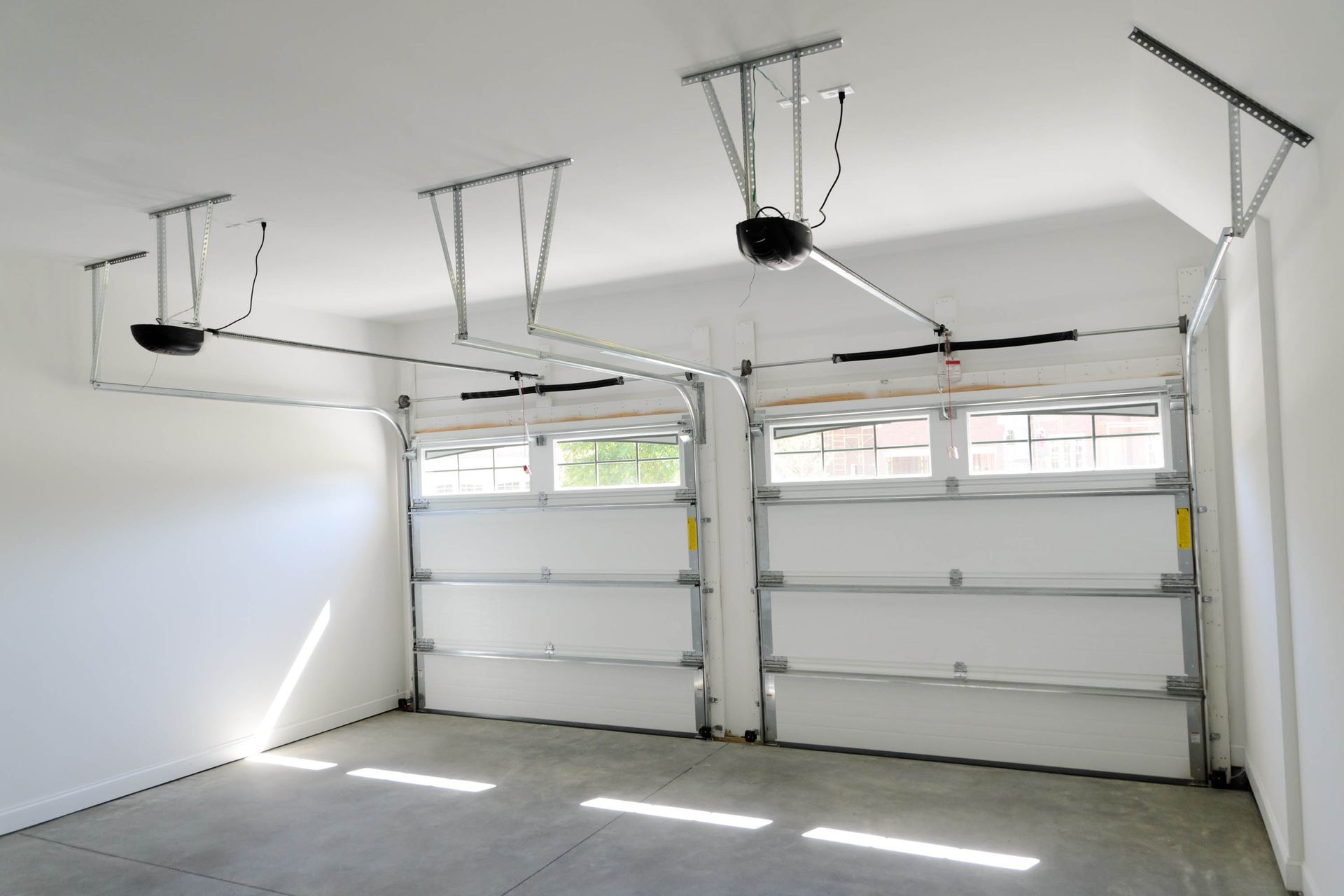
Cables, springs, and hinges are critical to the safe and efficient operation of a garage door. Over time, these components can suffer from wear due to regular use and exposure to varying temperatures. Inspecting them for signs of rust, fraying, or breakage is essential, especially before the harsh conditions of winter set in. Worn or damaged components should be replaced promptly to prevent more serious malfunctions that could compromise safety. Professional inspection and maintenance may be necessary for these sensitive parts to ensure proper repair or replacement.
4. Testing and Servicing the Garage Door Opener System
4.1 Ensuring Sensors and Remotes Function Properly
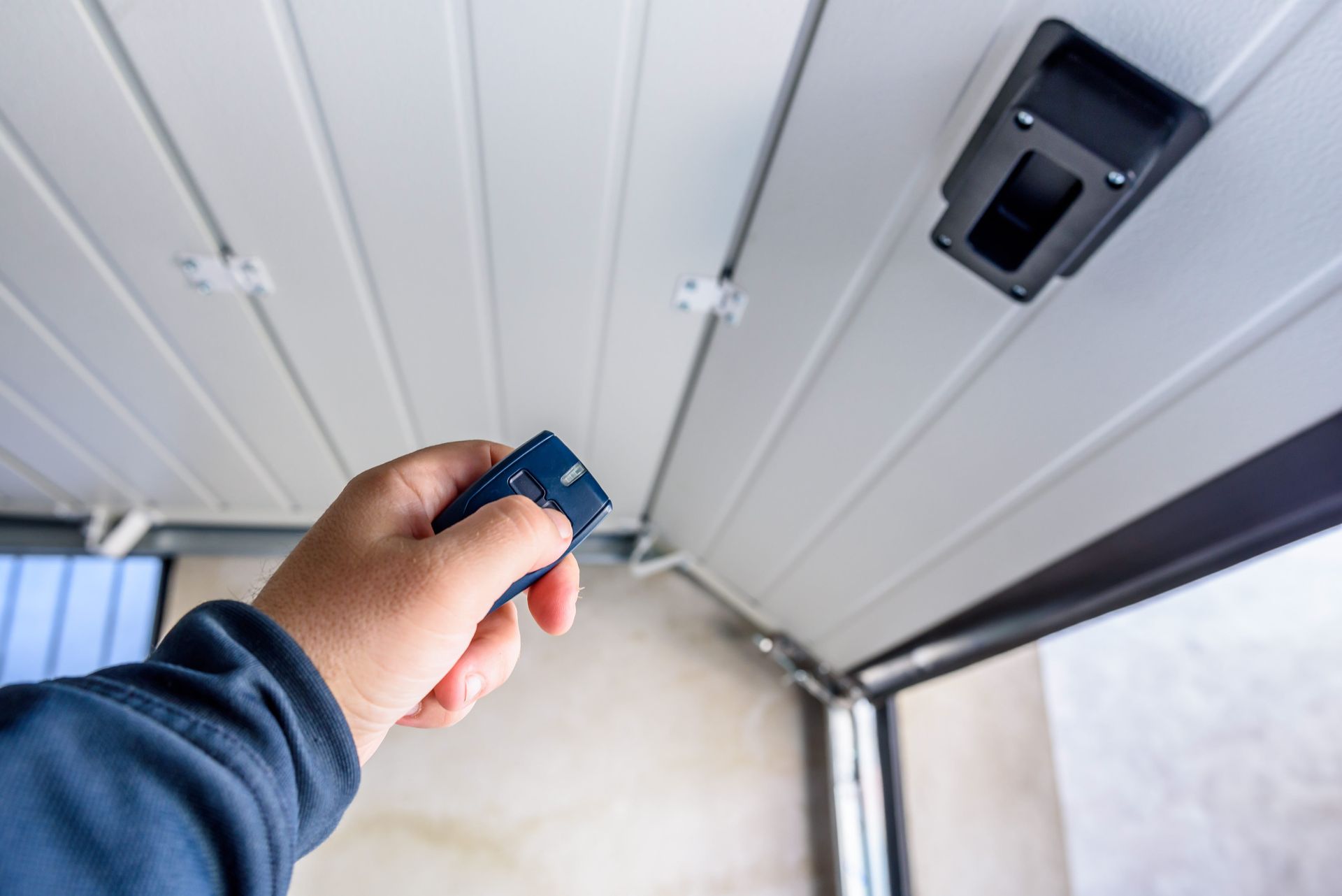
Garage door openers rely on sensors and remotes for seamless operation. In winter, these components can be particularly susceptible to issues as batteries drain more quickly in cold temperatures. Regular tests ensure that your remote and sensor systems communicate effectively with the garage door. It’s also essential to clear sensors from any obstructions that a buildup of snow or ice can cause. Proactive testing and maintenance can prevent frustrating malfunctions at inconvenient times.
4.2 Battery Maintenance and Checks for Keypads
Maintaining the battery condition for your garage door opener is vital for its reliability. Cold temperatures can reduce battery life and efficiency, leading to unexpected failures. Regularly checking the battery levels and replacing them as needed will help ensure consistent operation. Keypads, if used, should also be checked for responsiveness, as their performance can degrade over time. Ensuring battery health and proper keypad functionalities can provide peace of mind, especially for homeowners who frequently use the garage as an entry point.
4.3 Troubleshooting Common Opener Problems in Winter
Many common garage door opener issues surface during the winter months. Problems such as delayed responses, unexplained halts, or complete non-functionality can often be traced back to cold-weather impacts. To troubleshoot these issues effectively, one should first verify all electrical connections and battery statuses. Ensuring the gears within the opener are lubricated can also prevent operational hiccups caused by cold-stiffening. However, if issues persist, consulting a professional might be the best course of action to prevent more serious mechanical failures.
5. Addressing Structural Integrity of the Door
5.1 Inspecting Door Panels for Cracks and Damage
The structural integrity of your garage door is crucial for both functionality and safety. Inspecting the door panels regularly can help identify any signs of cracking or damage that could worsen in cold weather. Wooden doors, in particular, can crack or warp in response to temperature changes, and metal doors might show signs of rust or dents. Addressing these problems early can prevent more extensive damage and costly repairs down the line. A professional evaluation can help either confirm a door’s integrity or recommend a timely replacement.
Winter-proofing your garage door is an essential task that goes beyond mere convenience—it protects your investment, enhances your home’s energy efficiency, and ensures continued safety. According to Garage Living, 55% of all homeowners use the garage instead of the front door as the main entryway. By addressing potential issues proactively and enlisting expert help when necessary, you'll sail through winter with peace of mind. Remember, a well-maintained garage door is not just a functional component; it's an integral part of your home’s overall resilience against the elements. Be sure to reach out to Fox Valley Overhead Door Company Inc today for more information on our professional garage door contractor!

Share On: