

From Color to Material: Considerations for Your New Residential Garage Door
This article will guide you through the crucial aspects to consider when selecting a new residential garage door, covering various elements from aesthetics and function to material qualities and technological features. Selecting the right garage door is more than a home improvement task; it's about finding a perfect balance between form, function, and technology. The garage door is a significant part of your home's facade, contributing extensively to its overall look and curb appeal. With myriad options available today, making an informed choice can bring aesthetic value while enhancing security and functionality. Let's embark on this journey of understanding what factors will help you make the best choice when investing in a new residential garage door.
1. Aesthetic Appeal: Choosing the Right Color
1.1. Complementing Your Home's Exterior
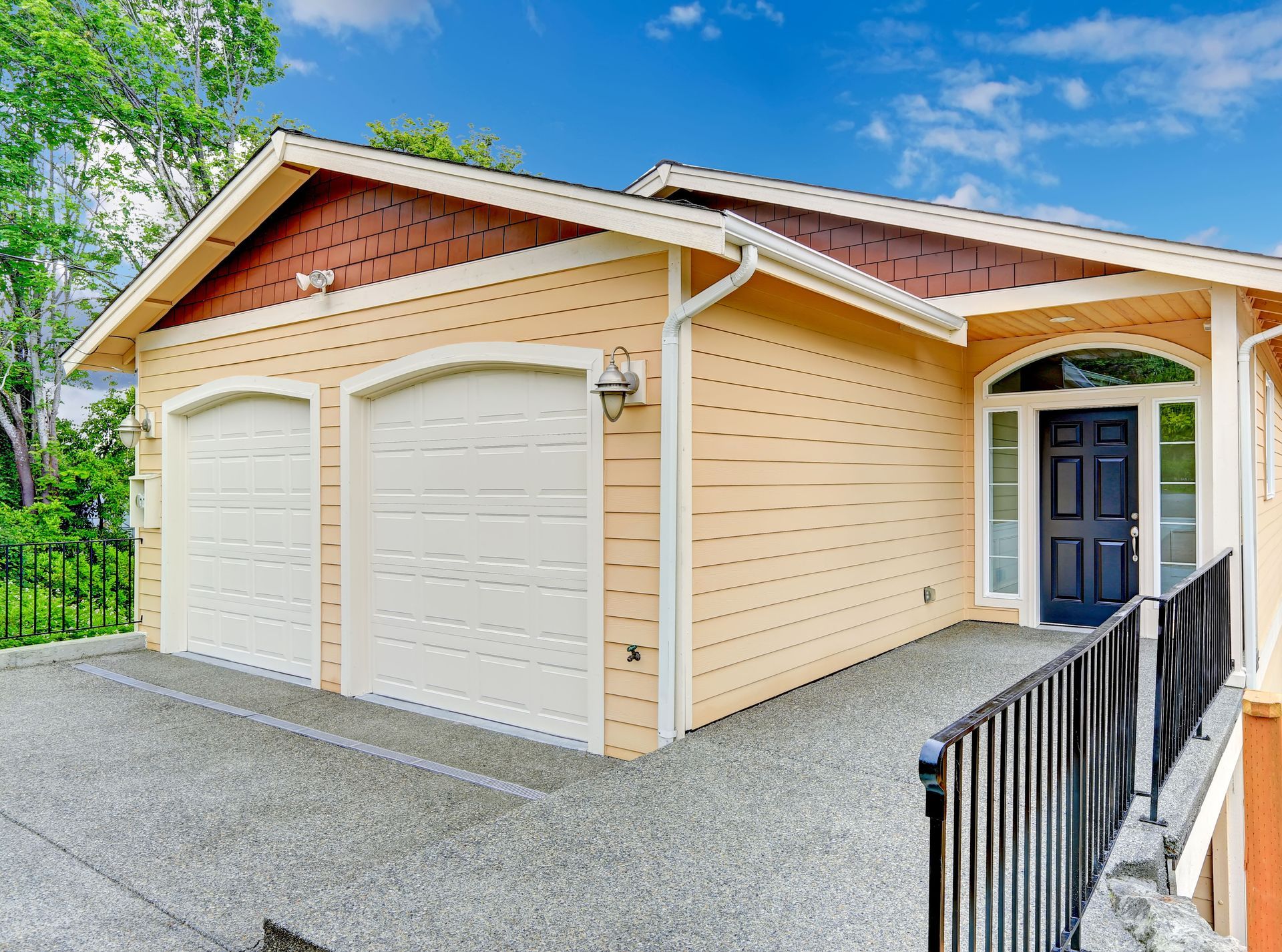
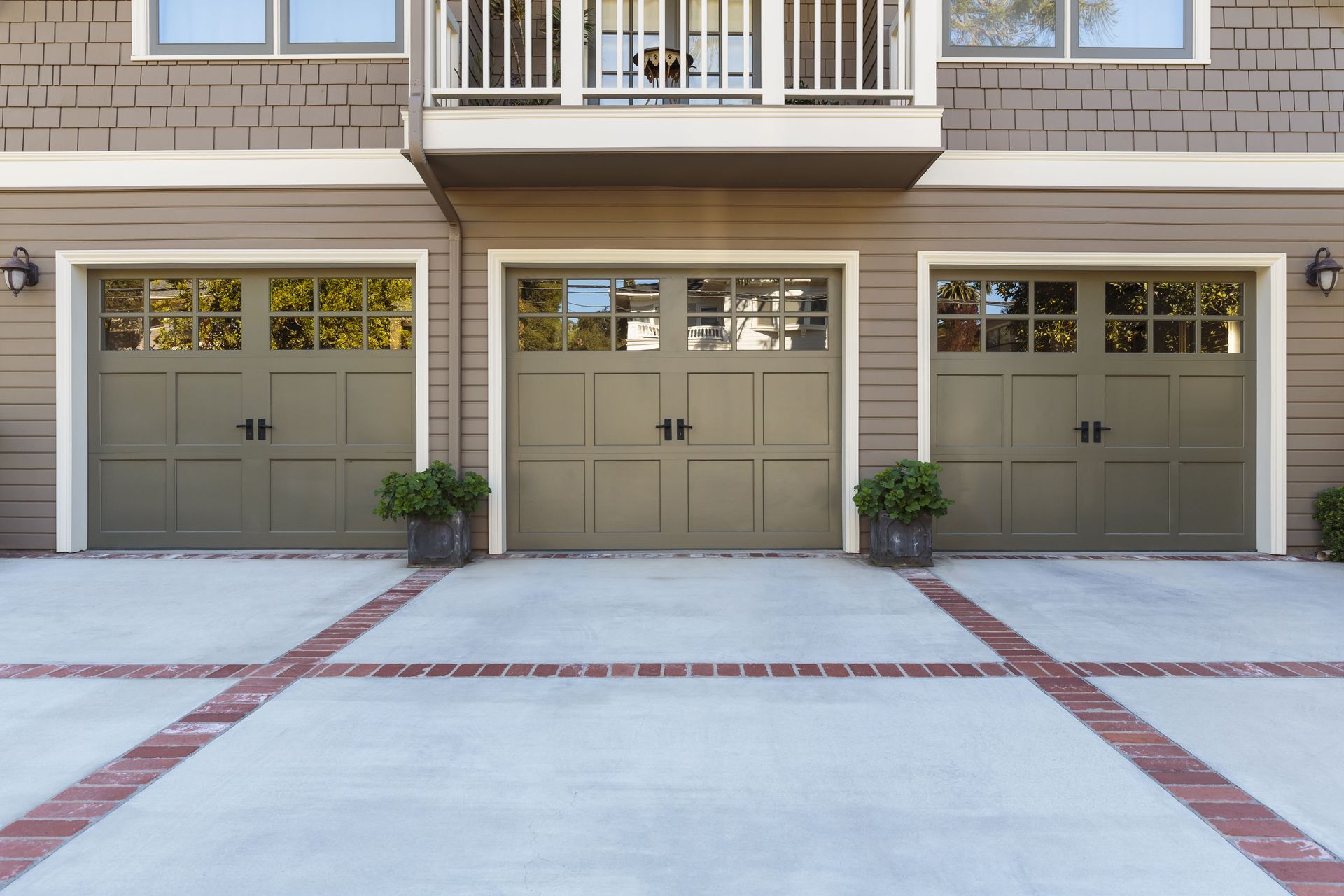
The visual appeal of your garage door can transform the curb appeal of your home. Choosing a color that complements your home's exterior is vital in achieving a harmonious look. It is important to consider the color scheme of your house, including the paint, shutters, and roof, when selecting a garage door color. Neutral colors like white, beige, or gray often serve as versatile choices that fit various home styles, providing timeless appeal. However, daring homeowners may choose bolder colors for added contrast and to create a focal point on their property.
1.2. Impact of Color on Perceived Size and Style
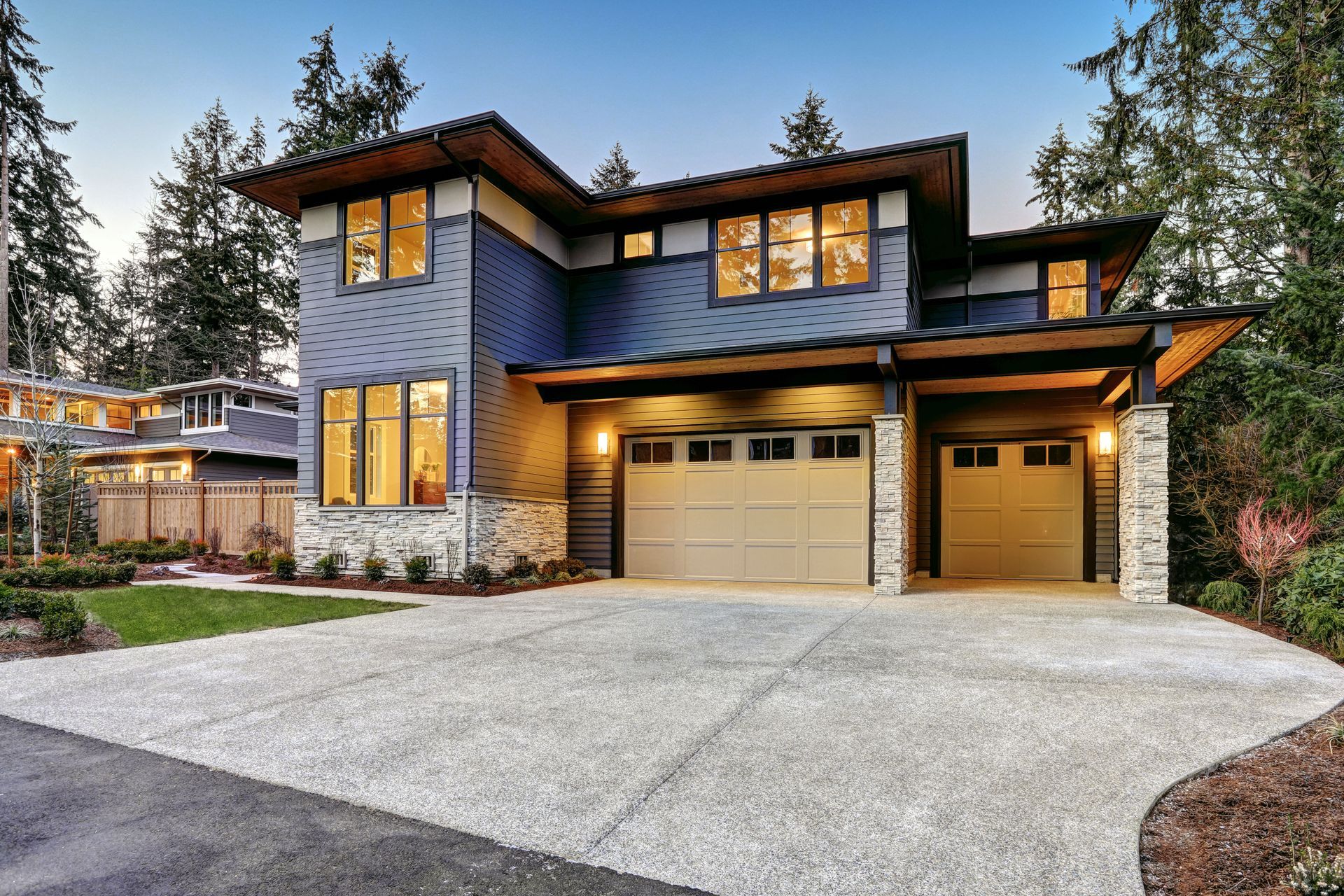
Color not only affects the aesthetics but also the perceived size and style of your garage door. Light colors typically make a garage door look larger, which can be beneficial for homes where a grand appearance is desired. Darker colors, on the other hand, can make it appear smaller and more understated. Additionally, ensuring that the garage door color aligns with the architectural style of the home is necessary for maintaining design continuity. For example, a modern architectural style might benefit from sleek grays or blacks, whereas a rustic home might look better with earthy tones.
1.3. Popular Color Trends in Garage Doors
Garage door color trends change as design aesthetics evolve. Current trends often see a mixture of classic and avant-garde color choices. While whites and neutrals remain popular due to their versatility, colors like charcoal, navy blue, and even bold reds and greens are gaining popularity. These colors make a statement and are perfect for homeowners looking to inject personality into their exterior design. It is wise to consider both personal taste and current design trends when selecting a color.
1.4. Maintenance and Fading Considerations
When selecting a garage door color, it is important to consider maintenance, especially regarding fading due to sun exposure. Darker colors may absorb heat and are prone to fading over time, particularly in sun-drenched regions. Conversely, lighter colors may require frequent cleaning to maintain their appearance due to visible dirt. Maintenance involves occasional touch-ups and the use of UV-resistant coatings to protect against fading. Keeping these considerations in mind during your selection process can help ensure your garage door retains its aesthetic appeal for years to come.
1.5. Custom Color Options and Costs
For those seeking a unique look, custom color options offer a personalized touch. The costs associated with custom coloring can vary, depending on the specific brand and type of paint used. While custom colors undoubtedly elevate the uniqueness of your home, it's important to balance cost considerations with the desired aesthetic outcome. Custom colors might also mean longer wait times for delivery and installation. Despite these factors, a custom-color garage door provides unmatched personalization and often increases both aesthetic value and satisfaction with the final result.
2. Material Matters: Options and Considerations
2.1. Wood: Traditional Style and Warmth
Wood has long been a favored choice for garage doors due to its natural beauty and warmth. This material exudes a traditional charm that complements a variety of architectural styles, especially older homes and rustic settings. Wood doors can be customized with stains and paints to match particular design requirements, offering excellent flexibility in design. However, despite its appeal, wood requires regular maintenance to prevent warping, rotting, or insect infestation. Proper sealing and timely upkeep are essential in ensuring the durability and longevity of wood garage doors.
2.2. Steel: Durability and Strength
Steel garage doors are celebrated for their robust strength and durability. Known for withstanding extreme weather conditions and offering enhanced security, steel is a practical choice for many homeowners. Additionally, steel doors can be insulated to increase energy efficiency, a feature that is becoming increasingly popular. They require less maintenance compared to wood, although they are susceptible to rust without proper care. You can also choose from a variety of finishes and colors to suit your home's aesthetic needs.
2.3. Aluminum: Lightweight and Modern Designs
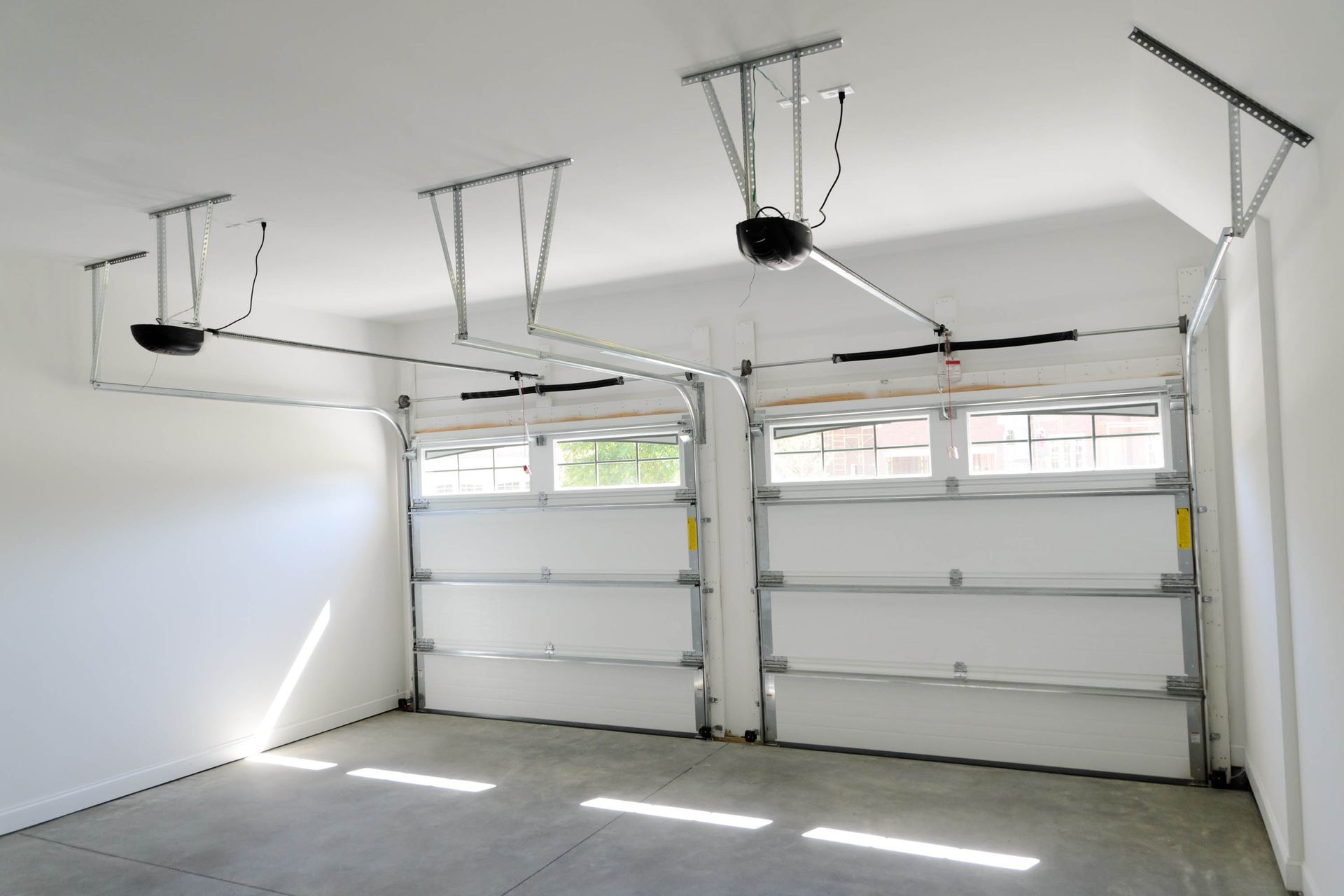
An increasingly popular material choice, aluminum offers the benefit of being exceptionally lightweight without compromising on strength. This light weight translates to less strain on the door's operating mechanism, potentially increasing the lifespan of the door system. Aluminum is resistant to corrosion and can be fashioned into sleek, modern designs, making it a choice for contemporary-style homes. The material's flexibility allows for the incorporation of larger windows or panels, inviting more natural light into the garage. However, it may dent more easily than steel and might not offer the same level of insulation.
2.4. Fiberglass: Versatility and Resistance
Fiberglass garage doors are praised for their versatility and resistance to adverse environmental conditions. These doors can mimic the appearance of wood but without the associated maintenance issues. Fiberglass is resistant to warping, cracking, and corrosion, which makes it an excellent choice in coastal or highly humid areas. However, the panels can become brittle and fade with long-term exposure to extreme sunlight. Fiberglass offers a balance of aesthetics and practical function, coming in a range of colors and design styles to suit various architectural themes.
2.5. Vinyl: Durability and Low Maintenance
Vinyl is a durable, low-maintenance option that is ideal for families with children due to its resilience against dents and scratches. This material does not rust, isn't prone to cracking, and normally doesn't require routine painting, making it easy to maintain. While it is primarily available in lighter colors, recent advancements have expanded the color palette choices available to homeowners. Vinyl doors provide better insulation than thin steel or aluminum doors, an attractive prospect for those in colder climates. Though on the pricier end of the material spectrum, the durability and ease of maintenance can justify the initial investment over time.
3. Insulation: Energy Efficiency and Comfort
3.1. Understanding R-Value in Garage Doors
The R-value of a garage door measures its insulation effectiveness, an essential aspect of energy efficiency. A higher R-value indicates better insulation properties, which can lead to reduced energy consumption and enhanced thermal comfort. Insulation is crucial for those who use their garage spaces for more than just parking; it makes them viable for workshops or even play spaces year-round. Understanding R-values helps homeowners weigh energy savings against initial costs. Investing in a well-insulated door can lead to substantial savings on heating and cooling bills over time.
3.2. Which Insulation Type is Best for You?
The primary types of garage door insulation are polystyrene and polyurethane. Polystyrene insulation is typically less expensive and offers adequate thermal resistance but is generally less effective than polyurethane insulation. Polyurethane provides superior insulation, being injected into door layers for a seamless bond that enhances strength and durability. Your choice between these depends on budget, desire for temperature regulation, and how the garage space is used. For those prioritizing energy efficiency and strength, polyurethane is often the more attractive option.
When choosing a new residential garage door, it's essential to consider factors from color and material to advanced features that align with your home's needs and your personal preferences. According to Bob Vila, a standard garage door is about seven to 10 feet wide and seven or eight feet in height. The exploration of aesthetics, energy efficiency, and modern conveniences allows for a well-rounded understanding of options and impacts. Be sure to reach out to Fox Valley Overhead Door Company Inc today for more information on our professional garage door contractor!


Share On: